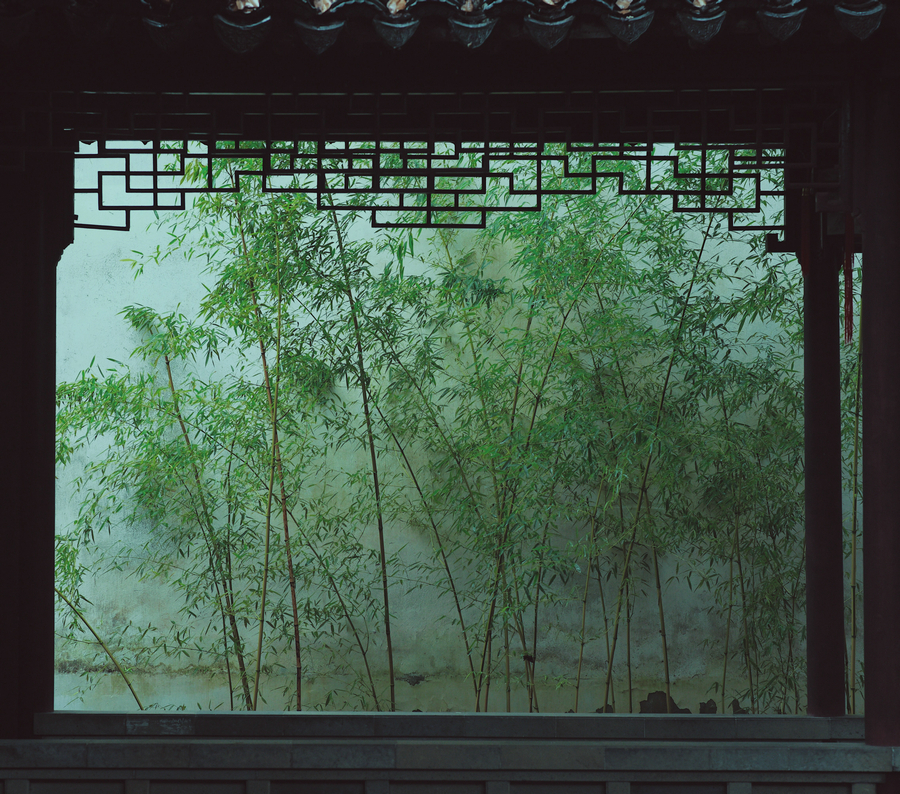
Mountain Villa with Embracing Beauty
Introduction
The Mountain Villa with Embracing Beauty, located in Suzhou, Jiangsu province, stands as an exquisite example of classical Chinese garden design. Reflecting the harmonious integration of architecture and nature, this site represents the pinnacle of the "Mountain and Water" garden style that is synonymous with Suzhou's historical gardens. Recognized as a UNESCO World Heritage Site, this garden, along with eight others in Suzhou, offers a detailed insight into the rich cultural, philosophical, and aesthetic traditions of classical Chinese landscaping. The Mountain Villa with Embracing Beauty showcases the artistic intent to recreate grand natural landscapes in miniature, achieving a delicate balance that captures the essence of natural beauty. As a cultural site, it holds immense value not only for its visual appeal but also for its contributions to the understanding of Chinese landscape gardening, architecture, culture, and aesthetics.
History
The history of the Mountain Villa with Embracing Beauty, like many of Suzhou's classical gardens, is deeply rooted in the city's rich cultural past. The origins of Suzhou's gardens date back to the 6th century BC when the city was the capital of the Wu Kingdom. Inspired by royal hunting grounds, private gardens began to emerge around the 4th century, reaching their zenith in the 18th century. The Mountain Villa with Embracing Beauty is one of these illustrious gardens, celebrated for its embodiment of the "Mountain and Water" garden style that characterizes Suzhou's unique approach to landscape design. These gardens were not just personal retreats but cultural hubs where art, literature, and philosophy flourished among scholars and officials. The garden's historical significance extends beyond its physical beauty, reflecting the societal, cultural, and intellectual currents of its time.
Architecture
The architecture of the Mountain Villa with Embracing Beauty exemplifies the sophisticated design principles of Suzhou classical gardens, marked by a seamless blend of natural and constructed elements. The garden's layout is meticulously planned to create an illusion of vast landscapes within a confined space, employing techniques that manipulate perspective and scale. Key architectural features include intricately designed pavilions, elegantly arched bridges, and meticulously arranged rockeries and ponds. The use of natural materials such as wood and stone, along with the careful placement of plants and water features, creates a dynamic and ever-changing environment that mirrors the cycles of nature. The garden's architecture is not merely ornamental but serves as a vessel for expressing deeper philosophical ideas, inviting contemplation and reflection through its harmonious aesthetic.
Cultural Significance
The Mountain Villa with Embracing Beauty occupies a significant place in Chinese cultural heritage, offering a window into the philosophical and aesthetic values of classical Chinese society. The garden embodies the principles of harmony, balance, and respect for nature, central tenets in Chinese culture and philosophy. It serves as a physical manifestation of the idealized landscapes depicted in traditional Chinese paintings and literature, symbolizing the pursuit of spiritual and intellectual refinement. The garden's design reflects the Confucian ideal of harmony between man and nature, while its tranquil surroundings provide a setting for meditation and artistic inspiration. As a cultural treasure, the Mountain Villa with Embracing Beauty continues to influence contemporary garden design and remains a vital link to China's historical and cultural identity.
Restoration and Preservation
The preservation of the Mountain Villa with Embracing Beauty is part of a broader effort to maintain Suzhou's classical gardens, which face challenges from natural degradation and urbanization. Recognizing their historical and cultural importance, restoration efforts have been ongoing since the mid-20th century to ensure these gardens remain intact for future generations. This involves meticulous conservation work that respects the original design and materials, guided by historical documentation and expert craftsmanship. Suzhou's commitment to preserving its gardens has been supported by international recognition, including UNESCO's World Heritage designation, which provides a framework for protection and promotes global cooperation in conservation efforts. Through restoration and preservation, the Mountain Villa with Embracing Beauty continues to offer an authentic experience of classical Chinese garden artistry.
Tourism and Cultural Promotion
The Mountain Villa with Embracing Beauty, along with other classical gardens in Suzhou, plays a vital role in promoting cultural tourism and fostering international appreciation for Chinese heritage. These gardens attract visitors from around the world, drawn by their beauty and historical significance. Efforts to promote these gardens include cultural exchanges, exhibitions, and partnerships with international institutions that showcase the artistry and philosophy behind their design. The gardens are also featured in cultural events and festivals, serving as venues for traditional performances and educational programs that highlight their cultural and historical context. Through these initiatives, the Mountain Villa with Embracing Beauty not only preserves its legacy but also enriches cultural understanding and appreciation on a global scale.








